
North Carolina Resident Lookup Records
A North Carolina resident lookup is a chain of separate clues, not a single statewide roster. County assessors and Registers of Deeds hold parcel and land records; the elections board, courts, vital-record offices, professional boards, and archives answer different questions. Start with the record that fits the question, then confirm any name match with an independent field such as a county, date, parcel, or relationship.
| Record source | What it can confirm | Custodian or search point | Access route |
|---|---|---|---|
| Parcel and tax roll | Owner, parcel situs and mailing address | County assessor or GIS office | Many county searches are free; fields vary |
| Recorded deed | Recorded interest, parties, date and legal description | County Register of Deeds; find the office through NCARD | Index often free; images and copies vary |
| Voter profile | Registration status, county, precinct and election history | NCSBE Voter Search | Free public profile; protected fields are withheld |
| Court docket | Party name, case type, dates and public events | eCourts Portal or a Clerk of Court terminal | Portal access is free; official copies come from the clerk |
| Vital record | Event date, place and relationship details | NC Vital Records, county Register of Deeds or Clerk | Application, fee, ID and eligibility may apply |
| Probate or estate file | Decedent, executor or administrator, heirs and estate actions | County Clerk of Superior Court | Terminal search or request to the filing county |
| Business filing | Entity, registered office or agent, and listed officers | NC Secretary of State | Free search; filings and older reports vary |
| Professional license | Licensee identity, status and public discipline fields | Relevant North Carolina state board | Free verification; fields differ by board |
| Historical directory | Year-specific name, address and household clues | Local library, university or State Archives collections | Year runs and onsite or digital access vary |
Use the county tied to the address, event, or court case. North Carolina has no free public website index of birth, death, marriage, or divorce certificates, and the online deed start year differs by county. If you do not know which county office to use, NCARD routes to the right Register of Deeds; the statewide portals do not replace local records or counters.
The North Carolina Secretary of State business search can clarify a public entity, registered agent, or listed officer. Its name options include “starting with” and “contains all words”; older annual reports may show a change that a newer report does not repeat.
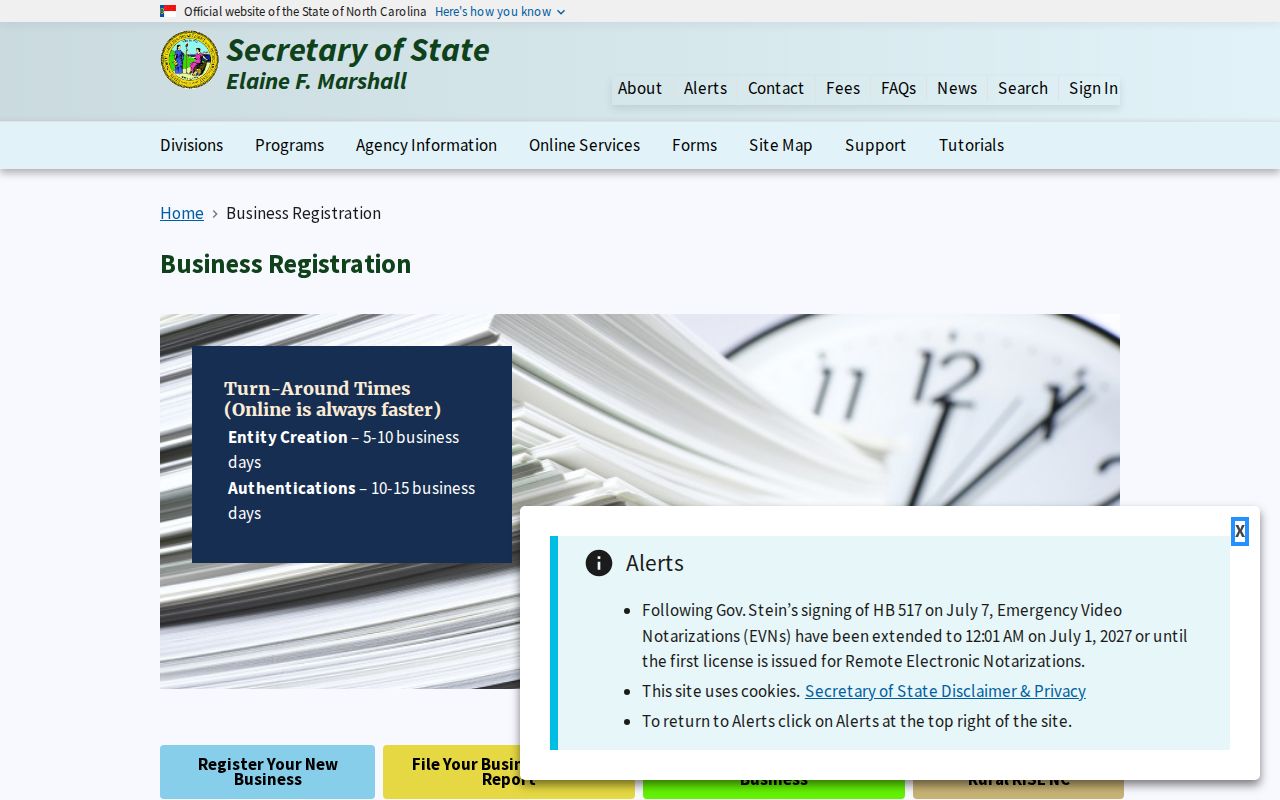
An officer or registered-agent entry supports an affiliation check, not proof that someone lives at the listed office. For a sole proprietor or trade name, the right assumed-name search may depend on the county.
North Carolina Voter Lookup Fields
The State Board of Elections profile is a current registration clue, not a complete account of where a person lives. Search its required name fields, then use county and year to narrow a common name. A match can show registration status, precinct, polling place, voting districts, sample ballot when available, absentee ballot details when available, and voter history. The form requests these fields:
| Search field | Required | How it narrows a result |
|---|---|---|
| First name | Yes | Enter the voter's first name |
| Middle initial | No | Optional added distinction |
| Last name | Yes | Enter the voter's last name |
| Year of birth | No | Optional dropdown filter |
| County | No | Optional county filter |
| Voter status | At least one | Select Registered, Removed or Denied |
The public display leaves out ballot selections, full birth date, driver-license number, Social Security number, protected addresses, and confidential special-voter data. “Removed or Denied” is a status label, not proof that a person never lived at an address. County boards handle local corrections, and contacts differ by county. A full voter-file release is separate from the public profile; inspected pages did not state one statewide request form, fee, or delivery format. The North Carolina voter lookup form shows the name, county, and status choices used for a profile.
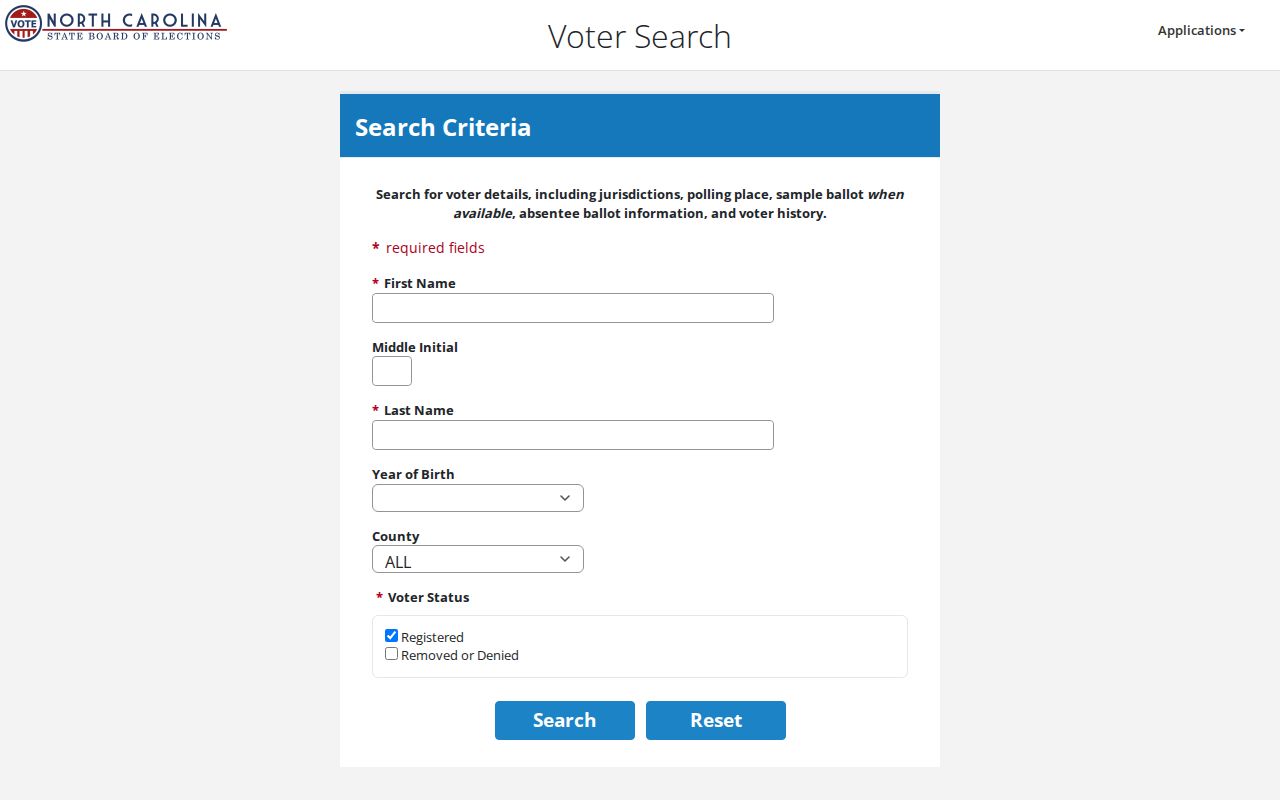
Use the profile as a dated clue, then compare it with a separate record. The North Carolina voter profile explanation lists the status, district, ballot, polling-place and history fields shown publicly.
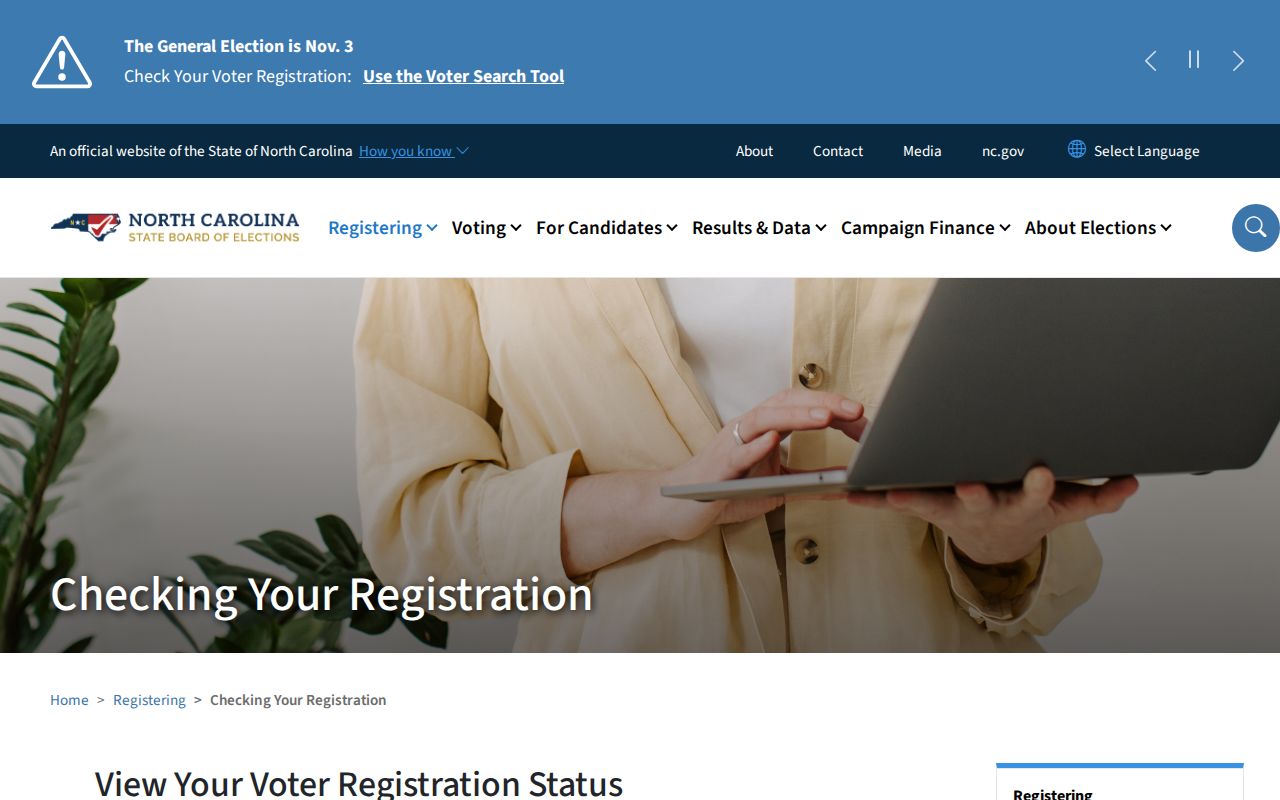
That profile can confirm public election information, but it does not reveal how someone voted or expose protected fields.
North Carolina eCourts Lookup Limits
North Carolina eCourts is a free starting point for public docket entries, not the official court record. The portal covers public matters as its county rollout advances, while older files may remain in legacy or archived clerk systems. A county selection helps make a name search useful; party name, case number, case type and date range can narrow it further. A portal hit is a lead to inspect, not proof that the person is the one you seek. These are the documented search controls:
| Control | Use | Research note |
|---|---|---|
| County/location | Select a court location | Needed for useful narrowing |
| Party name | Search a person or party | Optional when a case number is used; try variants |
| Case number | Open a known file | Use the court's official number format |
| Case type/category | Limit the kind of case | Public criminal, civil, family, estate and other categories as available |
| Date range | Narrow a broad name search | Exact live options may vary |
| Search, reset, sort and pages | Run or refine results | Labels and result controls are dynamic |
A typical public result can show the indexed party name and role, case number, county, category, filing date, claim or offense description, attorney or agency, hearing date, docket events, judgment or disposition, document links, document dates, and a restriction notice. Sealed, expunged, juvenile, adoption, unreturned-warrant, protective-order and certain family details can be hidden. Check these fields before treating a name match as the right person:
| Result field | What to check |
|---|---|
| Party and role | Name spelling and whether listed as plaintiff, defendant, petitioner or respondent |
| Case and county | File number, court location and category |
| Dates and events | Filing date, hearings, docket history and disposition |
| Documents | Public link, document date and any restriction notice |
The North Carolina eCourts search screen is the online index for public docket entries. It is not a complete state or nationwide criminal-history check. For North Carolina criminal-history records, use the distinct public or authorized channels described by NCDPS and SBI, with their own eligibility and fees. Federal district and appeals cases use PACER, which requires an account and may charge under federal schedules.
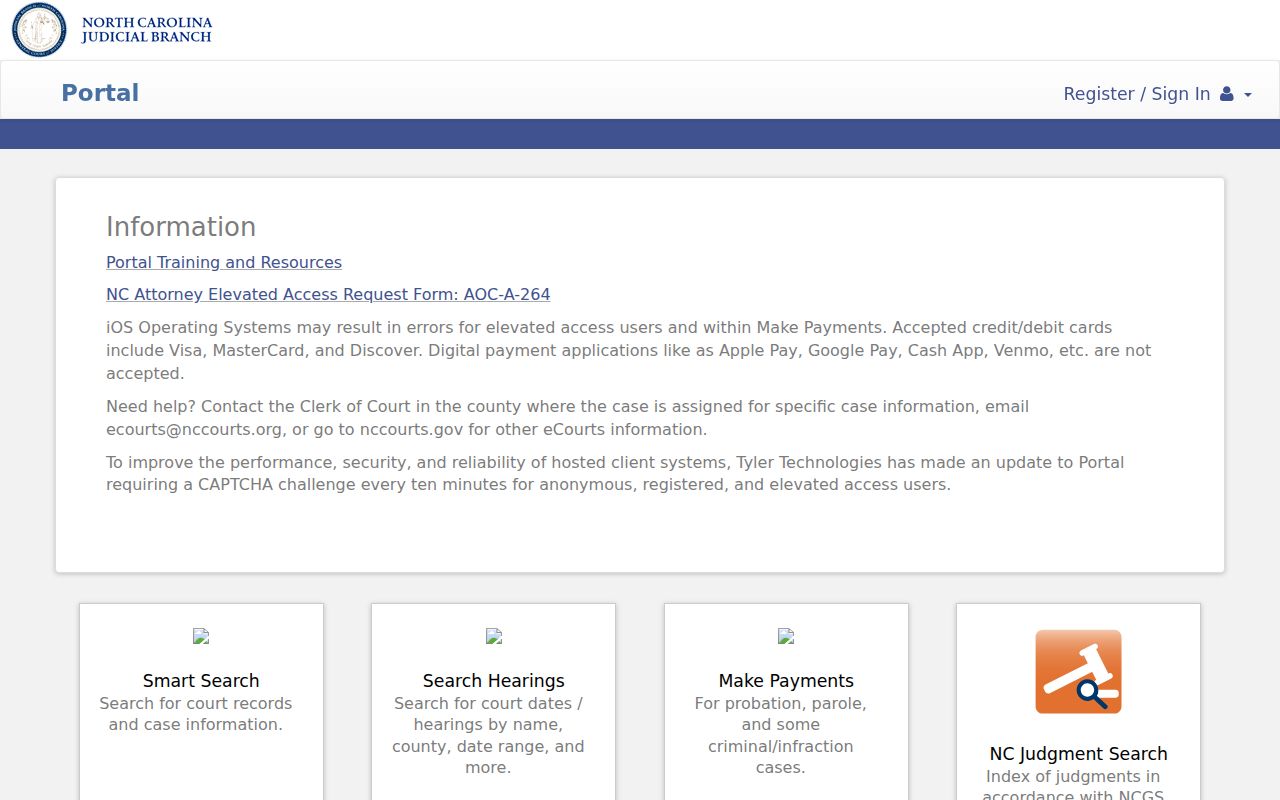
Check the county and case dates before linking a docket to a person, and get the paper file from its filing county when needed.
Verifying a North Carolina Resident
For a resident lookup verification, keep the question narrow and add one clue at a time. A county, approximate year, middle initial, parcel number, spouse, or case type can help separate people who share a name. A voter profile may suggest a county, but a parcel mailing address, deed, and docket each describe something different. Do not treat one name match as identity proof.
- Write down the full name and the best known county or time period.
- Check NCSBE for a current profile; note the county and precinct, not a protected address.
- Search the relevant county parcel roll by owner name, then compare situs, mailing address, parcel ID and deed reference.
- Search eCourts with name variants and compare county, date, case type and party role.
- Use a vital record, estate file or business filing only if it answers the remaining question, and request a copy from its custodian.
For an address clue, separate the parcel's situs address from the owner's mailing address. A deed shows a recorded interest, not current physical presence. A voter profile gives public election details, not household composition. Two independent fields should converge before you treat a result as the same person. For a business connection, an officer or registered agent is an affiliation clue, not proof that a person is present at a site.
- Docket
- A court's list of filings and events in a case. It is not the full paper file.
- Index vs. image
- An index helps locate a record; an image is a view of the scanned document, which may have a separate access or copy fee.
- Certified copy
- A copy formally certified by the custodian as an official copy. Eligibility rules apply to some records.
If the trail stops, ask the clerk whether a file is archived, transferred, restricted, or still being processed. The county that holds the file can explain its copy route.
North Carolina Vital Record Requests
Vital records answer event and relationship questions, but North Carolina does not offer a free searchable certificate index. NC Vital Records holds statewide copies for listed years; the county office for the event can be a practical local route. A death certificate follows the county where death occurred, not always the person's home county. A marriage license belongs with the Register of Deeds, while a divorce file or judgment is held by the Clerk of Court.
| Record | State holdings | Local or older route | Access |
|---|---|---|---|
| Birth | 1913 to present | Event county Register of Deeds; before 1913, county Register of Deeds | Application, $24 search period, ID; certified-copy eligibility applies |
| Death | 1930 to present | Event county Register of Deeds; before 1930, State Archives | Application and fee; local fees vary |
| Marriage | 1962 to present | Register of Deeds where license issued; earlier county records | License/certificate request and fee |
| Divorce | 1958 to present | Clerk in the county where filed or granted | Certificate or court-file copy; fees vary |
| Fetal death | 2001 to present | NC Vital Records | Specific form and relationship/ID rules |
Certified-copy eligibility under N.C. Gen. Stat. §130A-93(c) is limited to the person named, spouse, sibling, direct ancestor or descendant, stepparent, stepchild, a qualifying legal-right requester, or an authorized representative. An uncertified informational copy still requires a paid search and enough identifying detail. The state search costs $24 per three-year period, including one copy if found; an extra copy costs $15. VitalChek adds a $13.95 processing fee, and expedited in-person service costs $15. Requests can go online or by phone through VitalChek, by mail to NC Vital Records at 1903 Mail Service Center, Raleigh, NC 27699-1900, or by appointment at Cooper Memorial Health Building, 225 N. McDowell St., Raleigh. A county Register of Deeds or Clerk may serve the event county. The NC Vital Records order workflow sets out the routes; fees and processing dates can change.
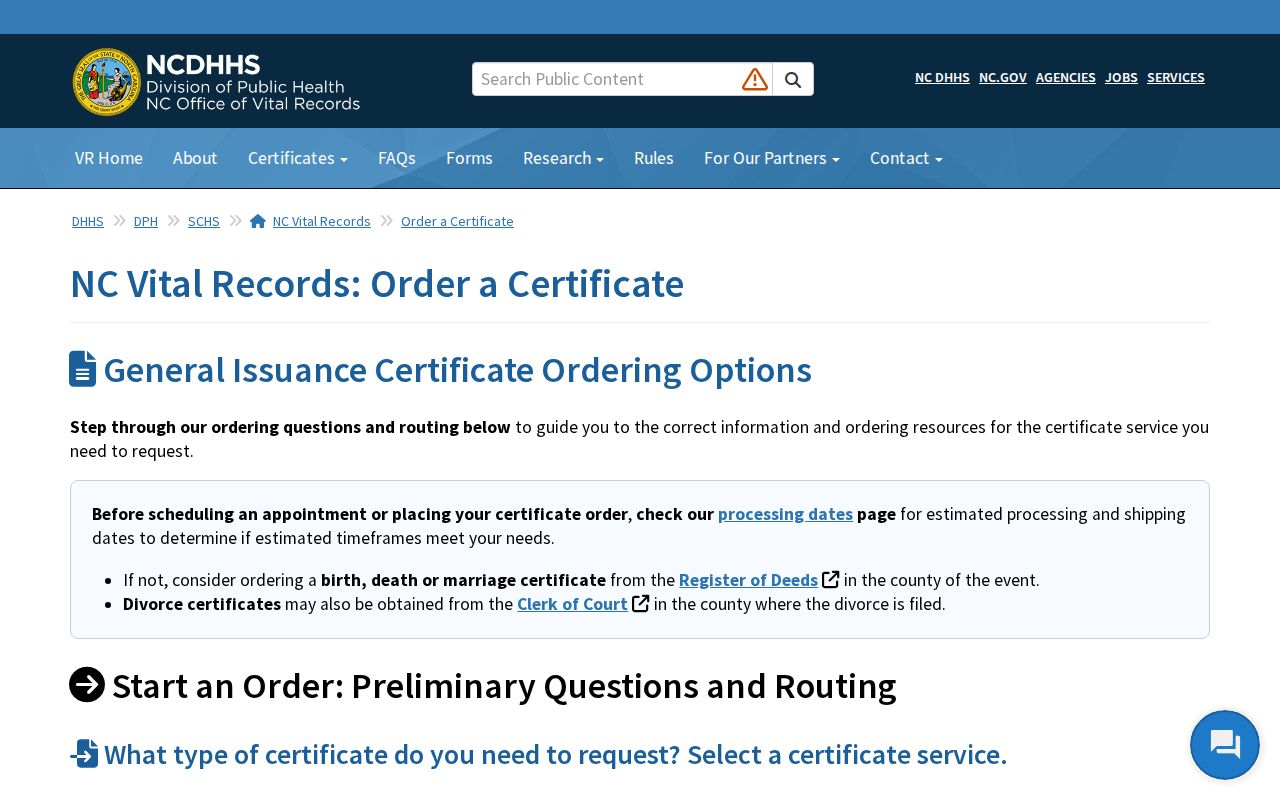
Gather the event name, date and place, requester relationship, identification, and delivery details first. The official North Carolina vital-record fee table lists the current search, extra-copy, processing, and expedited-service charges.
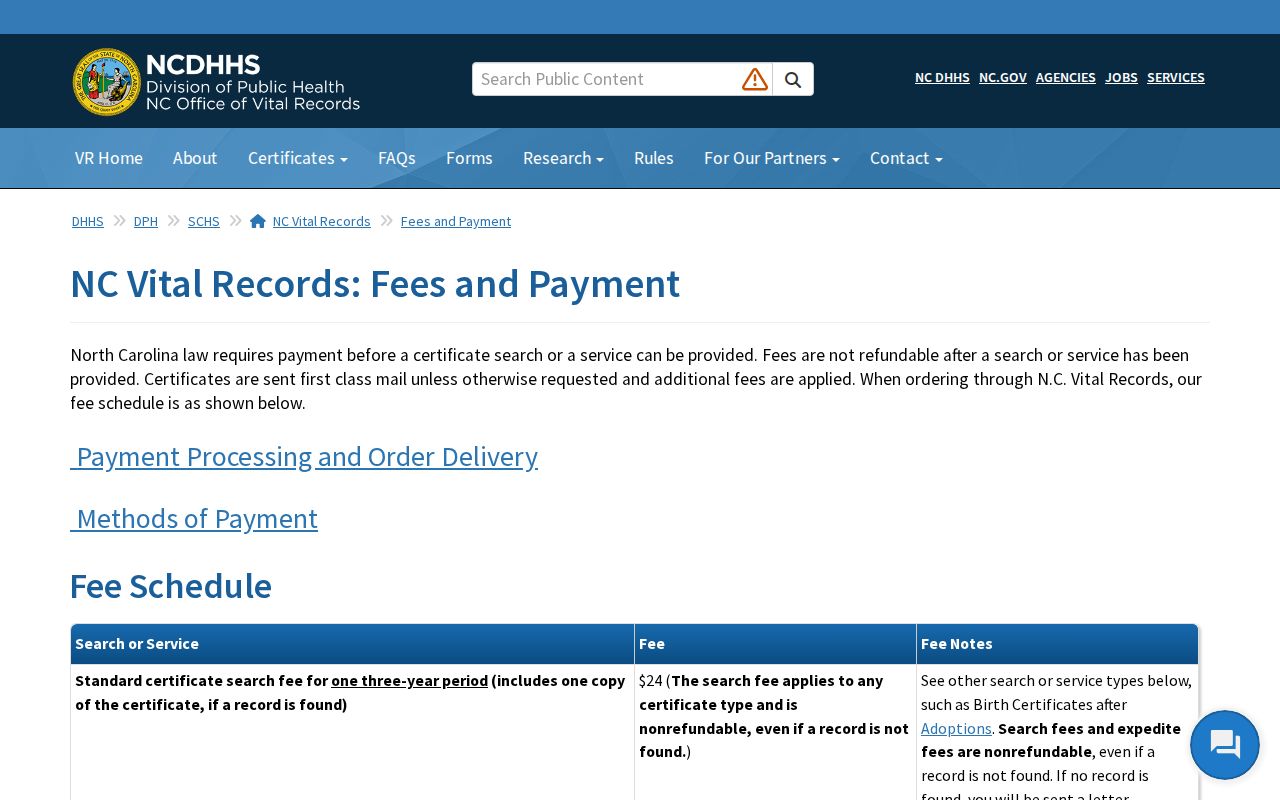
Compare current charges on the agency page, since state and local routes do not share one fee schedule.
North Carolina Resident Lookup for Heirs
For a family-history question, an estate file can connect a decedent with an executor or administrator, heirs, notices, property, and later deed activity. Search the Clerk of Superior Court docket, then ask for the estate or special-proceeding file rather than relying on a docket printout alone. A recorded administrator's deed or executor's deed can show how land passed through an estate. The document is evidence of that transfer, not a full list of everyone who lived at the address.
An obituary, a local library's obituary index where available, cemetery register, death record, probate file and deed can each add a different clue. Treat an obituary as a lead, then check names and dates against a custodian-held record. If the goal is to reconnect an old address with the household named in a printed year, the North Carolina historical city directory collections explain where local directory and yearbook runs may be held. For a former classmate, local libraries and school archives may hold yearbooks or newspaper notices. Adoption records have separate access rules: original adoptee birth certificates are sealed, so use the authorized registry or intermediary route described in the NC Vital Records adoption information rather than a public search to bypass those limits.
North Carolina Court Records at Clerk Terminals
A useful insider detail is that a public self-service terminal in a Clerk of Court office in any North Carolina county can search criminal, civil, special-proceeding and estate matters by defendant name, case number, or victim/witness name. That statewide terminal access does not move the paper file: it remains with the county where the case was filed. A clerk can explain whether a file was archived, transferred, sealed, expunged, or is still being processed.
For another public record, the North Carolina Public Records Act, N.C. Gen. Stat. Chapter 132, §§132-1 and 132-6 lets any person inspect or copy an open record without stating a purpose; the custodian responds as promptly as possible and may charge lawful copy fees. Write to the office that holds the record with its name or address, record type, date range, and desired format. There is no universal response deadline. The North Carolina Judicial Branch court-record instructions cover public terminals and official paper files.
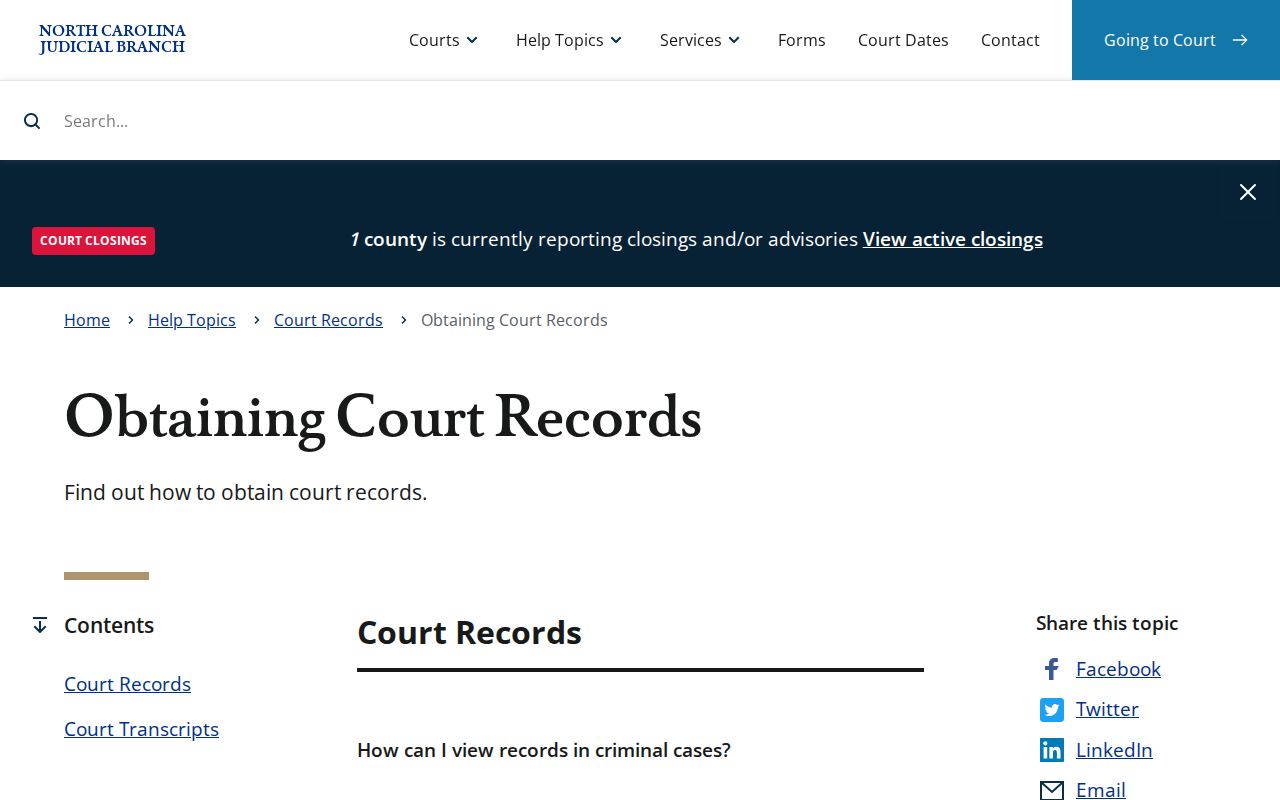
The court instructions explain what is available at a terminal. For a filing county, use the North Carolina courthouse directory to find its Clerk of Superior Court.
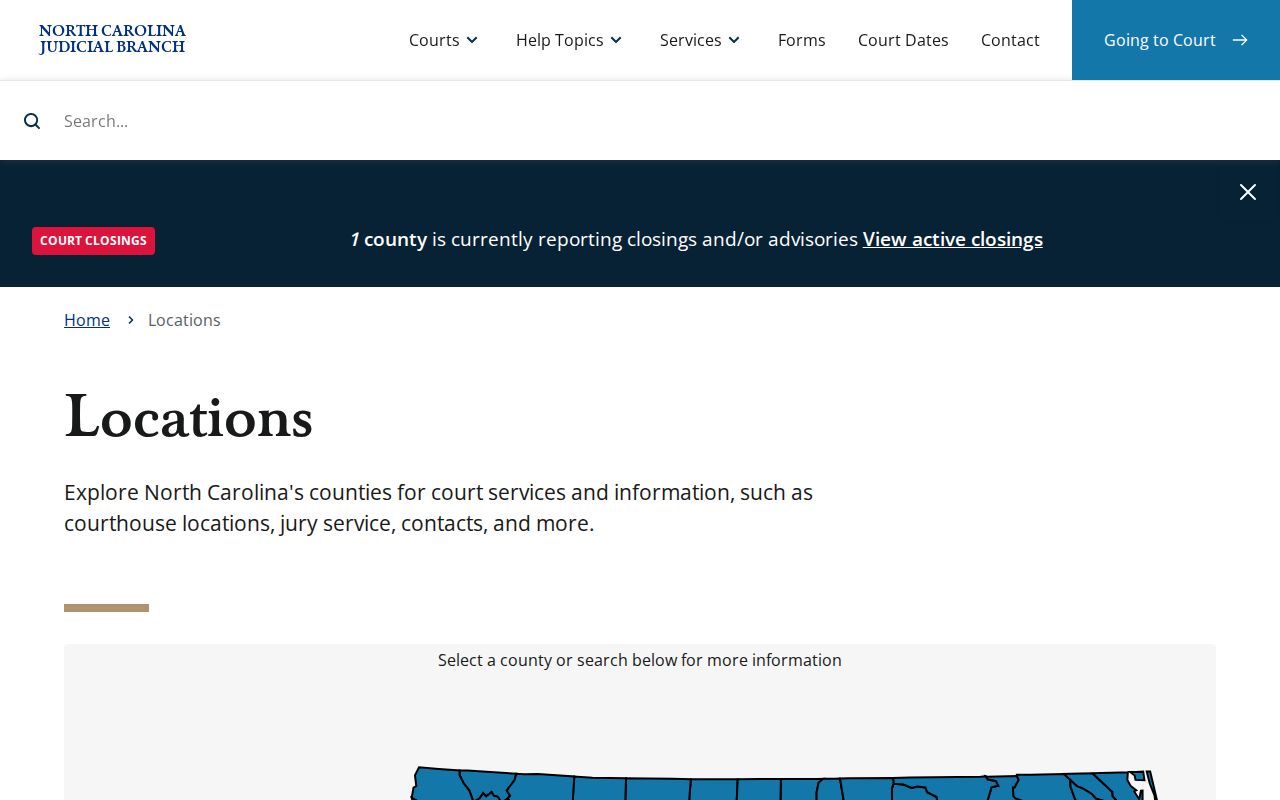
Search a terminal for docket information, then contact the filing-county clerk for the paper record or an official copy.
North Carolina Resident Lookup Limits
The North Carolina Public Records Act, N.C. Gen. Stat. Chapter 132, §§132-1 and 132-6, defines public records broadly and provides for inspection and copies as promptly as possible, subject to lawful fees. A specific state or federal confidentiality law can close a record or field. Certified vital copies are restricted under §130A-93(c), juvenile records are confidential under §7B-3001(c), and the federal Driver's Privacy Protection Act, 18 U.S.C. §§2721-2725, limits access to personal motor-vehicle data. Sealed or expunged court material, adoption records, health data and protected addresses are not ordinary search results.
North Carolina's research sources did not identify one statewide Safe-at-Home page or a blanket address-removal process. Protected voter information, court orders and other confidentiality rules have their own custodian process, so do not assume a voter or parcel search will reveal a protected person's address. If a result is wrong, send its record number and supporting proof to the office that holds it; for court matters, ask the clerk or court about the official correction or expunction route. A commercial data profile may have a separate opt-out page. Submit the exact profile link the service requests, keep its confirmation, and check again later because a profile can reappear; an opt-out does not change the official source record.
The North Carolina Sex Offender Registry offers public name, address, and map searches, with county, city, ZIP, or radius options where the portal provides them. Check its verification date and follow the agency's stated use limits.
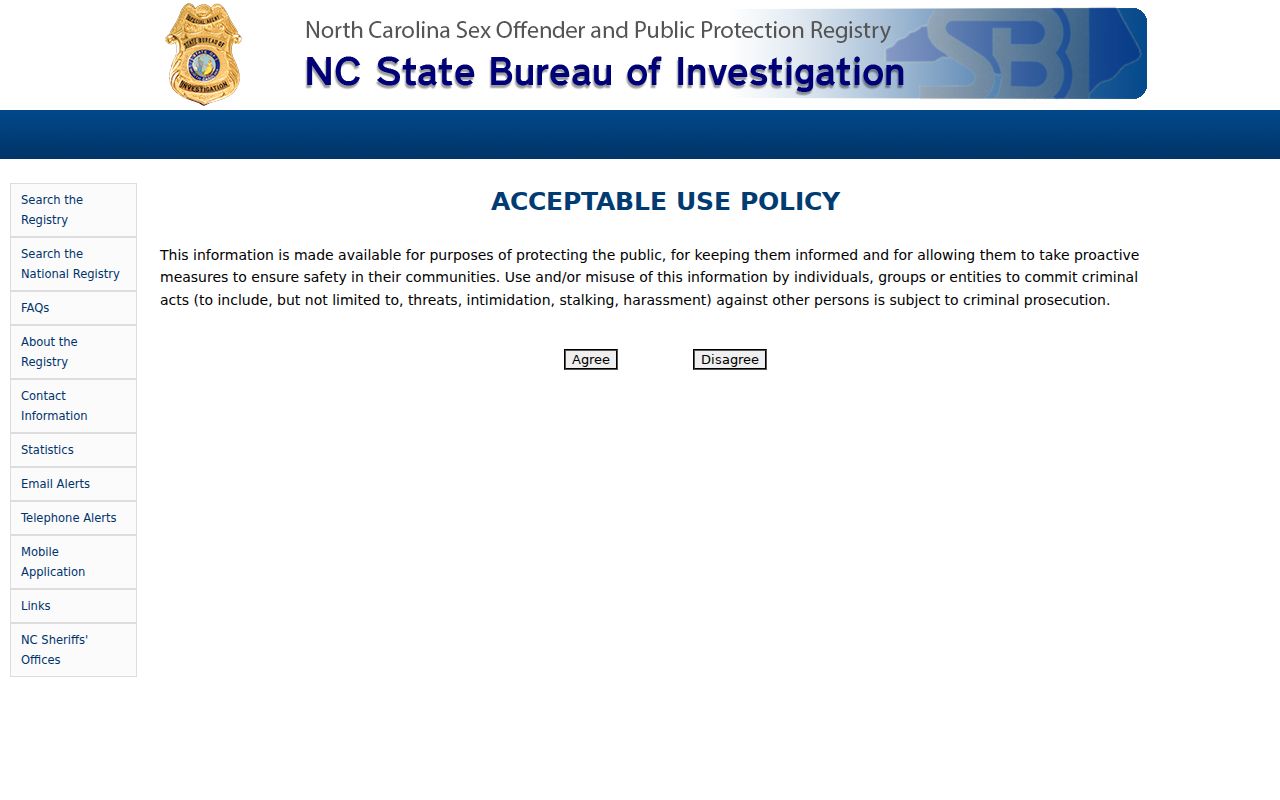
The registry is a public safety record, not proof of a person's present location beyond its last verification. Use the listed fields as published and follow the agency's guidance.
Lawful use. Use a North Carolina resident lookup for lawful personal research. Do not use public records to stalk, harass, threaten or intimidate anyone; North Carolina's anti-stalking law is N.C. Gen. Stat. §14-277.3A.